Autonomous Outdoor Waste Collection

Clean Spaces.
Smart Data.
Zero Risk.

SPAN Robotics is developing solar-powered smart stations, autonomous rovers, and scouting drones to keep campuses, parks, and highways clean — while building the world's largest outdoor litter dataset.

$11.5B
Spent on litter cleanup annually in the US
24B
Pieces of litter on US roadsides each year
53K
Debris-related crashes per year
$3.5B
Smart waste market size (2025)

The SPAN System

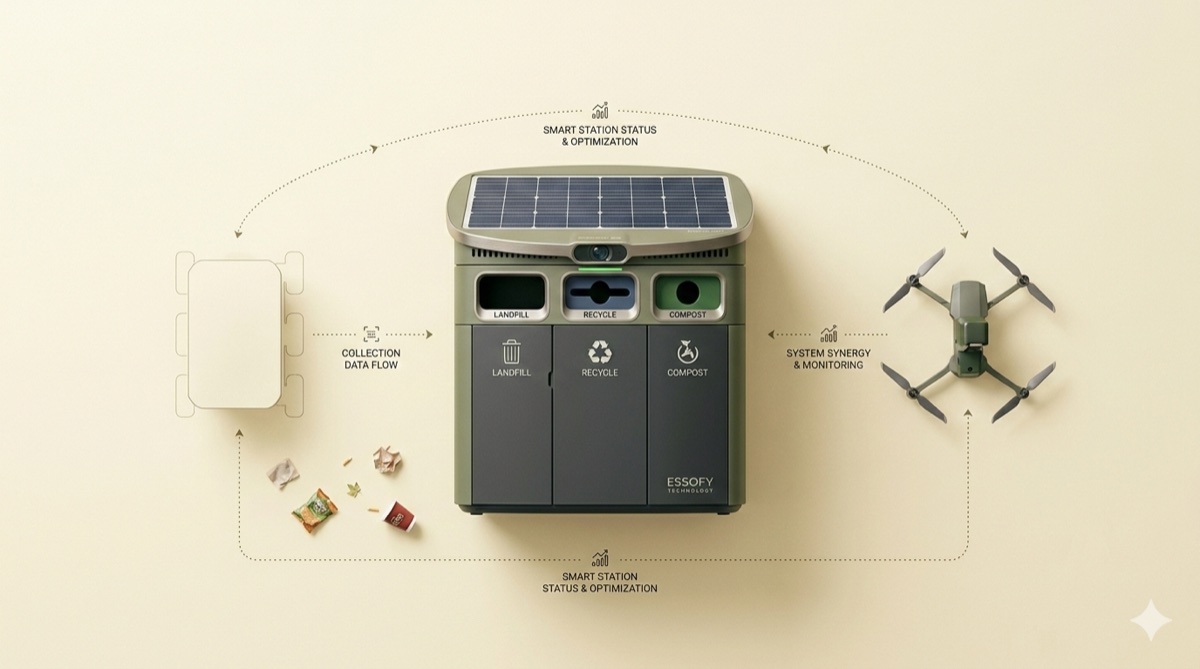
An integrated autonomous platform — smart station, rover fleet, and scout drone — being built to work together to keep outdoor spaces clean.
The Hub

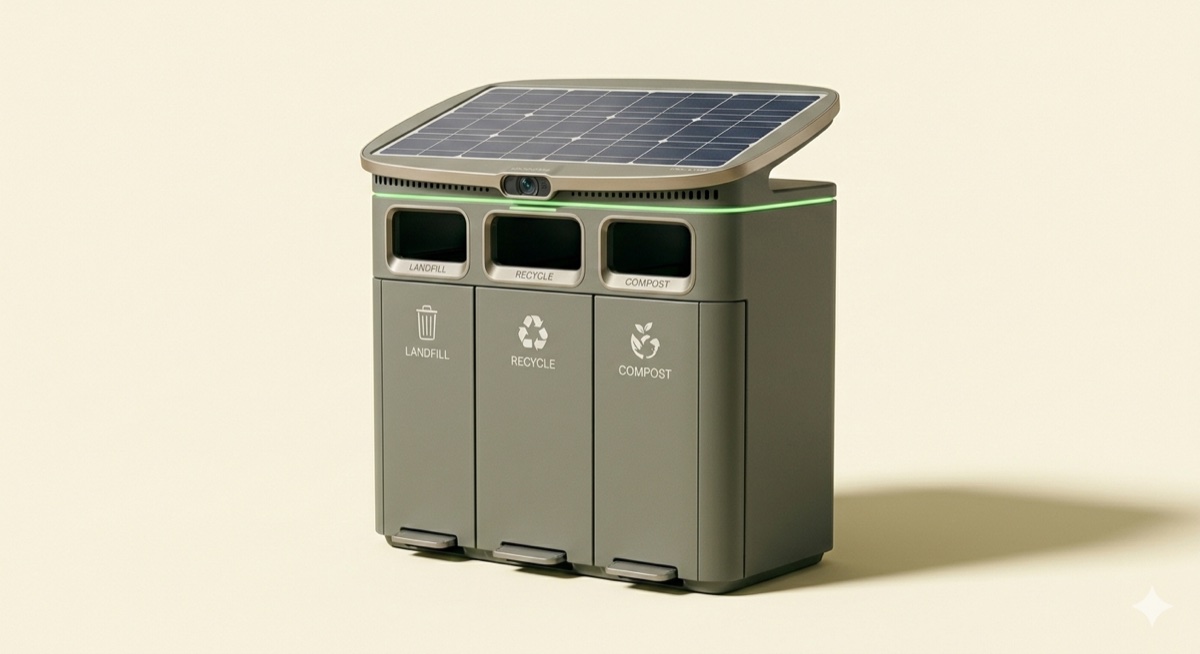
Smart Trash Station

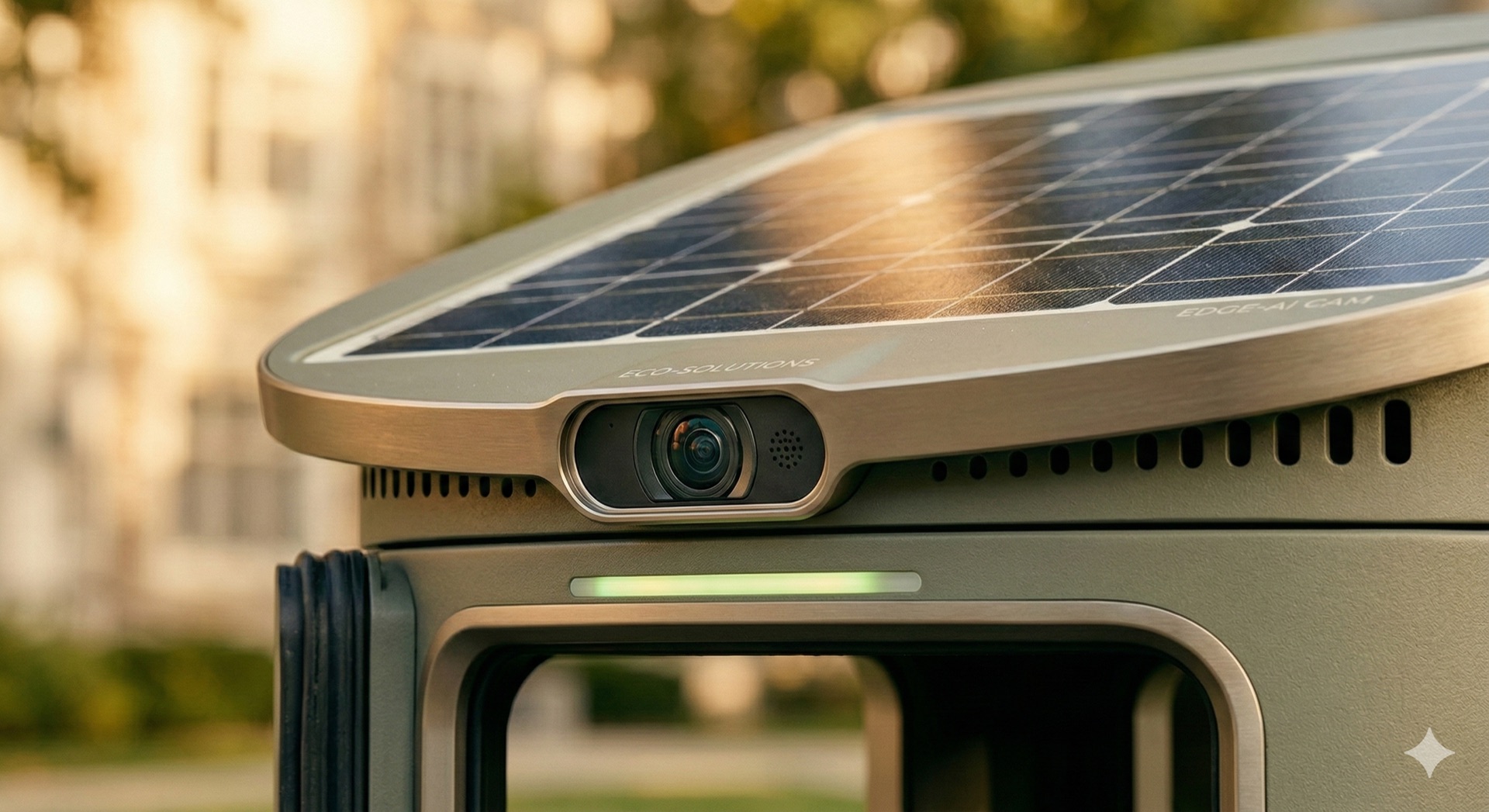
Solar-powered central hub with an onboard edge AI computer. Designed to monitor fill levels, classify waste types, coordinate the rover fleet, and stream analytics to the management dashboard in real time.

  • Solar-powered with battery storage
  • Edge AI processes all video feeds
  • Real-time fill monitoring & alerts
  • Waste type classification & analytics
The Collector

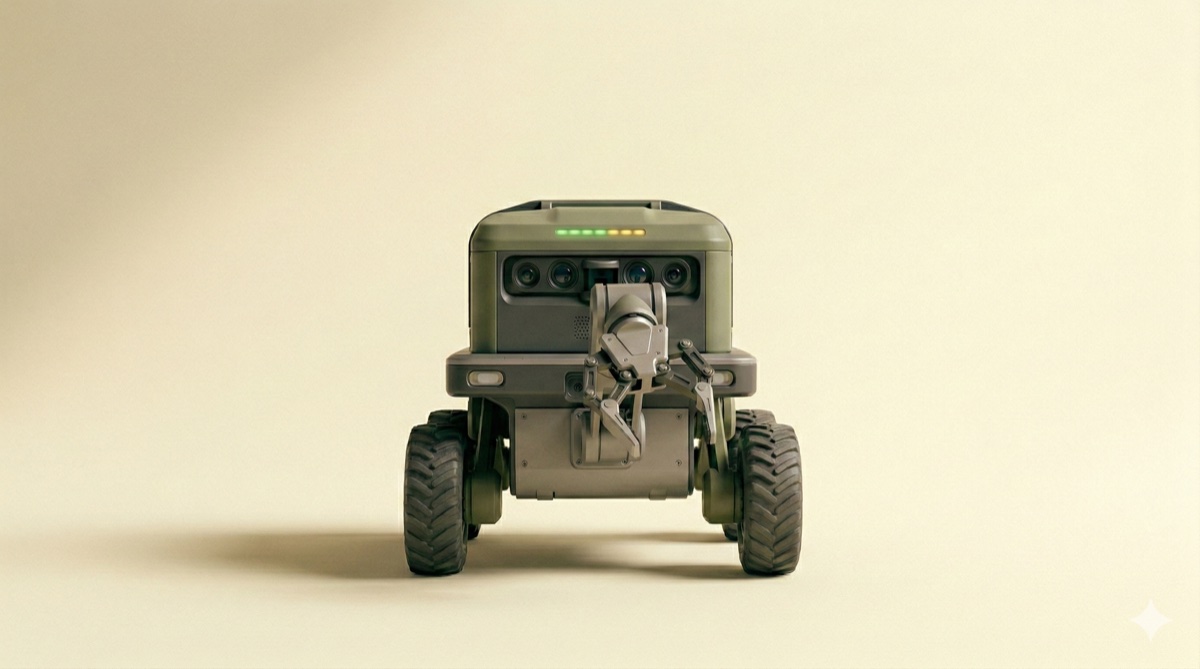
Autonomous Rover

AI-powered ground rover designed to navigate sidewalks, grass, and trails to identify and collect trash. Will use Vision Language Action (VLA) models that improve with every pick, then return waste to the station.

  • VLA models for trash identification
  • Multi-terrain navigation
  • Continuous learning from every pick
  • Fleet coordination per station
The Eyes

Scout Drone

Aerial drone designed to survey the coverage area, map litter distribution, and feed intelligence to rovers for optimized collection routes. Returns to the station for solar recharging between flights.

  • Aerial litter mapping
  • Route optimization for rovers
  • Hotspot identification
  • Solar recharging at station

How It Works

1

Station deploys scout drone to survey area

2

Drone maps litter locations and returns

3

Station dispatches rovers to collect trash

4

Rovers pick up litter and return to station

5

Data is analyzed, models improve continuously

Three Markets, One System

A phased go-to-market strategy starting from low-friction campus deployments to high-value highway contracts.

01Starting Here

University & Corporate Campuses

Private campuses are the ideal proving ground. Minimal permitting requirements, controlled environments, and strong sustainability mandates make campuses the fastest path to deployment.

  • Minimal permitting — deploy on private property
  • Strong ESG and sustainability mandates
  • Facilities managers with discretionary budgets
  • High visibility for press and brand building
4,000+
US universities
16.4%
Of college budgets go to maintenance
$10B+
Annual campus grounds spending
02Core Market

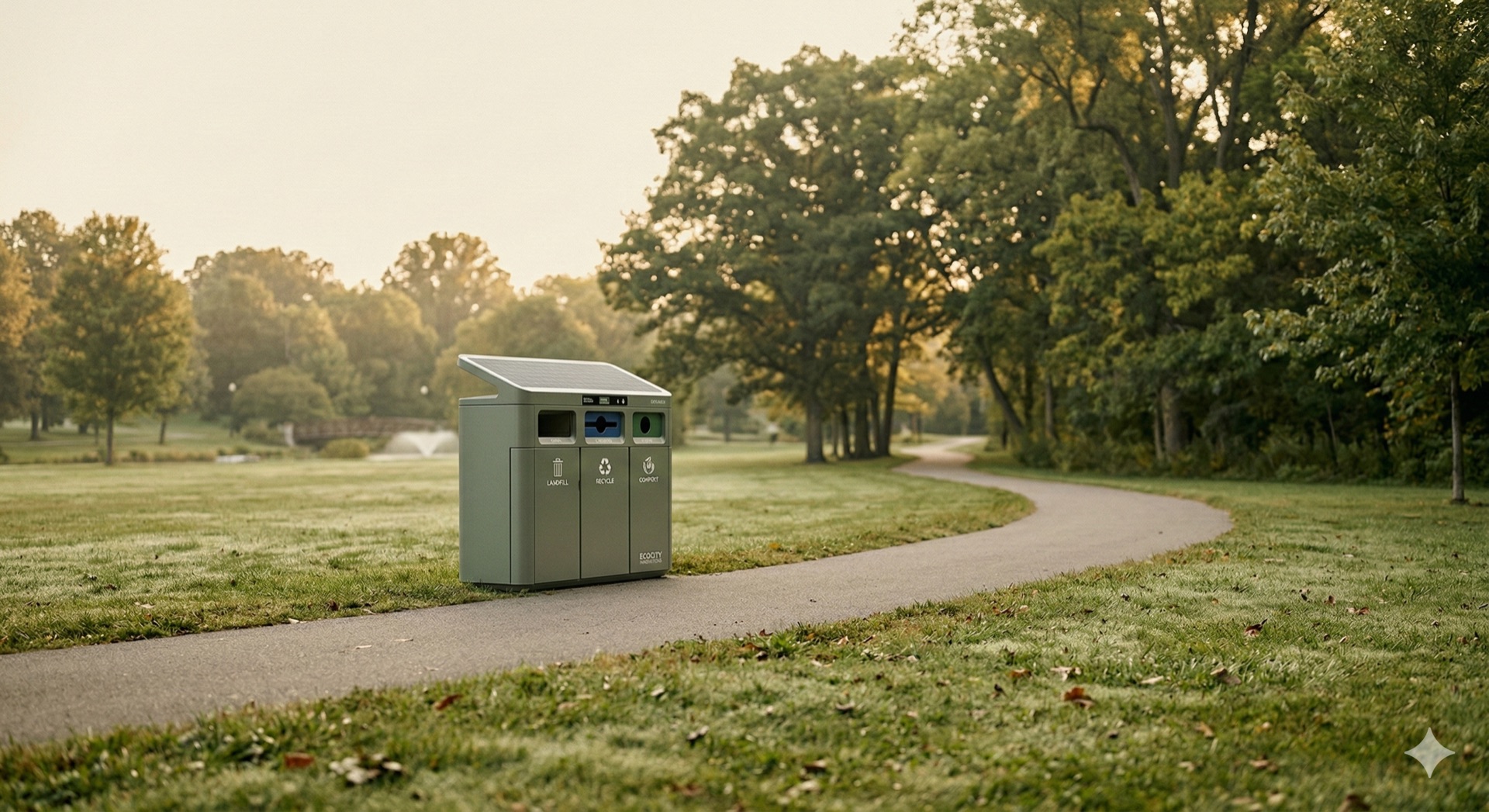
Parks & City Property

The largest opportunity by volume. Cities spend billions annually on litter cleanup, and growing smart city initiatives are creating dedicated budget pathways for autonomous solutions.

  • Massive scale across thousands of parks per metro
  • Smart city grants provide funding pathways
  • Data monetization creates city revenue share
  • Reduces strain on overstretched city budgets
$11.5B
US annual litter cleanup spend
$48M
Philadelphia alone spends yearly
$500M
California spends on waterway trash
03Highest Value

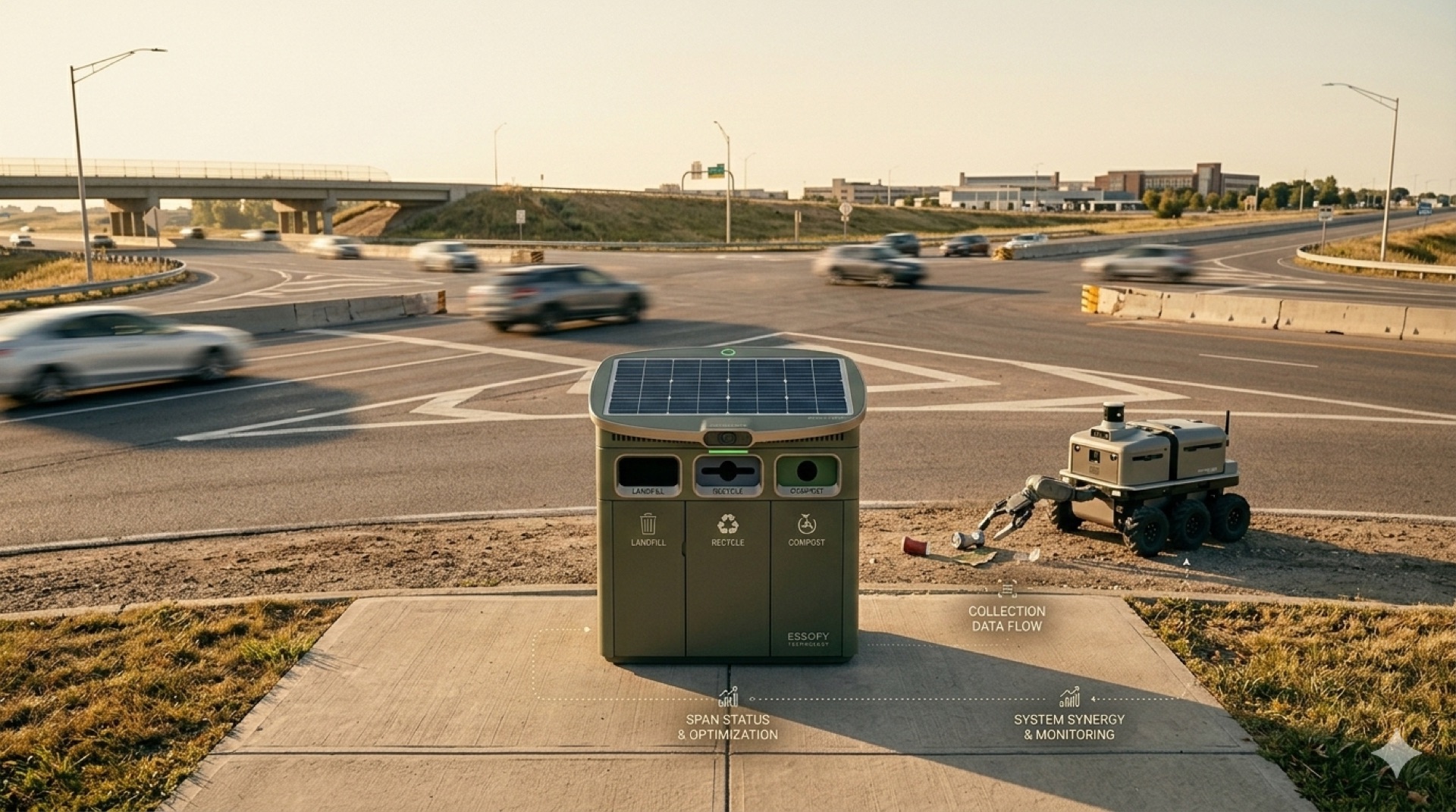
Highways & DOT Contracts

The most dangerous segment — and the most lucrative. Highway litter cleanup kills workers every year. Autonomous collection eliminates human risk and wins large multi-year DOT contracts.

  • Saves lives — eliminates human exposure to traffic
  • Largest contract values with state DOTs
  • Federal innovation grants support automation
  • Multi-year contracts with recurring revenue
53K
Debris-related crashes per year
108+
Roadway workers killed on the job (2021)
$500M
Government highway litter spend

The Problem By the Numbers

Outdoor litter is a massive, expensive, and dangerous problem. Current solutions rely on manual labor that puts workers at risk.

$11.5B
Annual US litter cleanup cost
Source: Keep America Beautiful
24 Billion
Pieces of roadside litter produced annually in the US
Source: 2020 National Litter Study
898+
Work zone fatalities recorded in 2023
Source: FHWA / BLS
50%
Increase in work zone fatalities from 2013 to 2023
Source: Work Zone Safety Clearinghouse
54
Worker-pedestrians killed per year in work zones on average
Source: Bureau of Labor Statistics
$500M+
Government spending on roadside litter collection annually
Source: NCHRP / TRB
$48M
Philadelphia's annual litter cleanup budget alone
Source: City of Philadelphia
$500M
California communities spend yearly on waterway trash prevention
Source: NRDC

Roadway/shoulder maintenance is ranked the #1 most hazardous activity by DOT highway workers.

Source: 2024 DOT Highway Worker Safety Survey

Data Platform

Every Pick Builds the World's Largest Outdoor Litter Dataset

Our system won't just collect trash — it will collect data. Every object identified, every route optimized, every pattern discovered will feed into a growing dataset that no one else has. This data will improve our own models and create a valuable asset for the entire industry.

Continuous Model Improvement

Every trash pick will refine our VLA models. More deployments will mean better accuracy, faster collection, and broader terrain handling.

Management Dashboard

Real-time views of station fill levels, rover fleet status, waste type breakdowns, and historical trends. Actionable insights for facility managers. (In development)

Data Monetization

Anonymized outdoor litter datasets will be sold to AI companies, robotics firms, environmental researchers, and consumer goods companies. Cities will share in the revenue.

Environmental Analytics

Comprehensive reporting on waste patterns, seasonal trends, and environmental impact — valuable for ESG reporting and municipal planning.

System Dashboard

PREVIEW
Active Stations
12
+2
Rovers Deployed
36
+8
Items Collected Today
2,847
+12%
Dataset Size
4.2M
+156K
Waste Types Collected (This Week)
Plastic
38%
Paper/Cardboard
25%
Food Waste
18%
Metal/Cans
12%
Other
7%
Collection Heatmap
Interactive map in live dashboard

Total Addressable Market

SPAN Robotics operates at the intersection of multiple high-growth markets totaling over $46 billion.

Smart Waste Management

$3.5B(2025)
Growth: 15.1% CAGR$13.3B by 2035

Municipal Litter Cleanup (US)

$11.5B(Annual)
Growth: GrowingLargest single segment

Cleaning Robot Market

$21B(2025)
Growth: 23.6% CAGR$114.5B by 2033

Campus Grounds Maintenance

$10B+(Annual)
Growth: 3-5% CAGRSteady growth

Highway Litter Collection (Gov)

$500M(Annual)
Growth: StableHigh contract values
Sources: Mordor Intelligence, Verified Market Research, SNS Insider, Keep America Beautiful, Grand View Research, NCHRP
Free Download

SPAN Robotics White Paper

A comprehensive look at autonomous outdoor waste collection — the technology, the market opportunity, safety implications, and how SPAN is building the future of clean public spaces.

  • Full system architecture and technology breakdown
  • Market analysis across three segments
  • Safety and economic impact data
  • Data platform and monetization strategy
  • Go-to-market roadmap
Download White Paper (PDF)

No sign-up required. Instant download.

Podcast

Listen to the SPAN Robotics Podcast

Prefer listening? Get the full white paper as an audio deep-dive — covering the litter crisis, our autonomous system, market opportunity, and go-to-market strategy.

SPAN Robotics — The Future of Clean Public Spaces

White paper audio edition — same insights, zero scrolling.

The Litter CrisisWorker SafetySPAN System OverviewThree Market SegmentsData FlywheelGo-to-Market

Let's Clean Up Together

We're actively developing our autonomous collection platform and looking to connect with early adopters and investors. Whether you're a university facilities manager, a city parks director, a DOT innovation lead, or an investor in robotics and climate tech — we'd love to hear from you.

Headquarters

United States

Status

Currently in development — accepting letters of intent for future campus pilot deployments